DSS2016EU. Donostia European Capital of Culture 2016
From 2008 to 2011, the city of Donostia/San Sebastian presented its candidacy to become the European Capital of Culture. Throughout different phases, a team of people who envisioned a city free from violence and a cultural project based on coexistence between different groups (cultures, origins, activities, ways of life) as a driving force for change developed a project grounded in the energy of the waves of citizen participation.
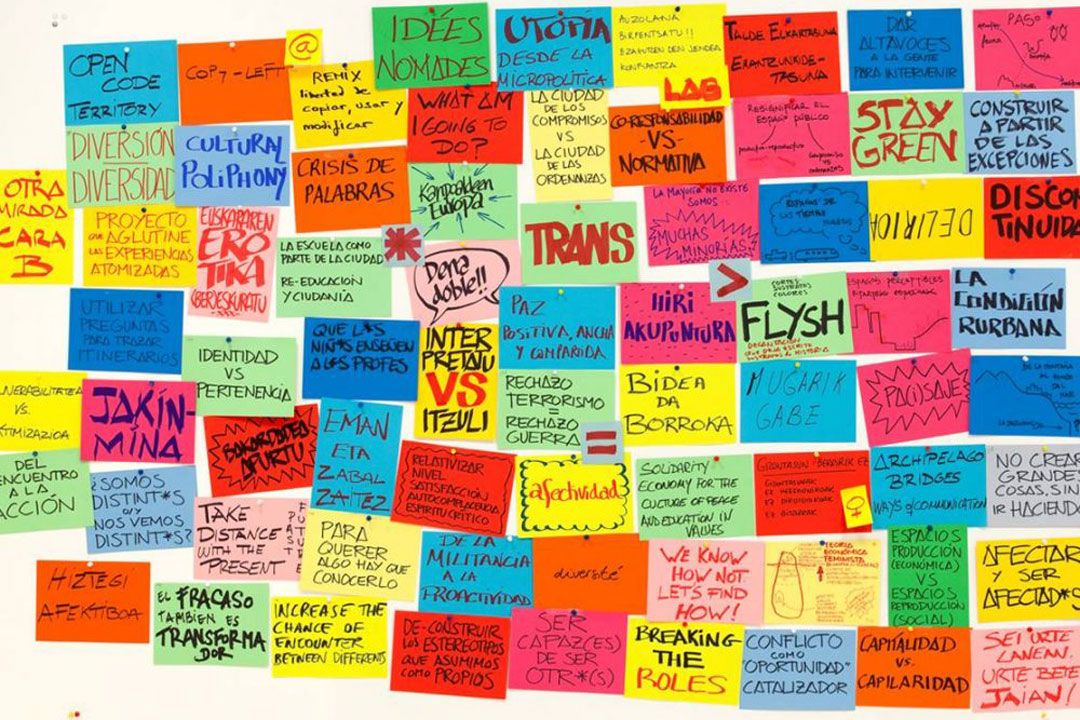
In 2012, Donostia was designated the European Capital of Culture for 2016 with the project DSS2016EU, Waves of Citizen Energy.
Within DSS2016EU, work was carried out around an open concept of culture: the human capacity to inhabit the world. Culture as everything related to people and serving our development. It is what shapes us, what makes us who we are. It is theatre, music, dance… but also how we relate to nature, how we build cities, how we use technology and objects, what we have been told, the languages we use, what we have lived. Because each one of us has a different way of feeling emotions, moving, and interpreting the world we live in, yet we grow and evolve as part of the whole, as members of the community.
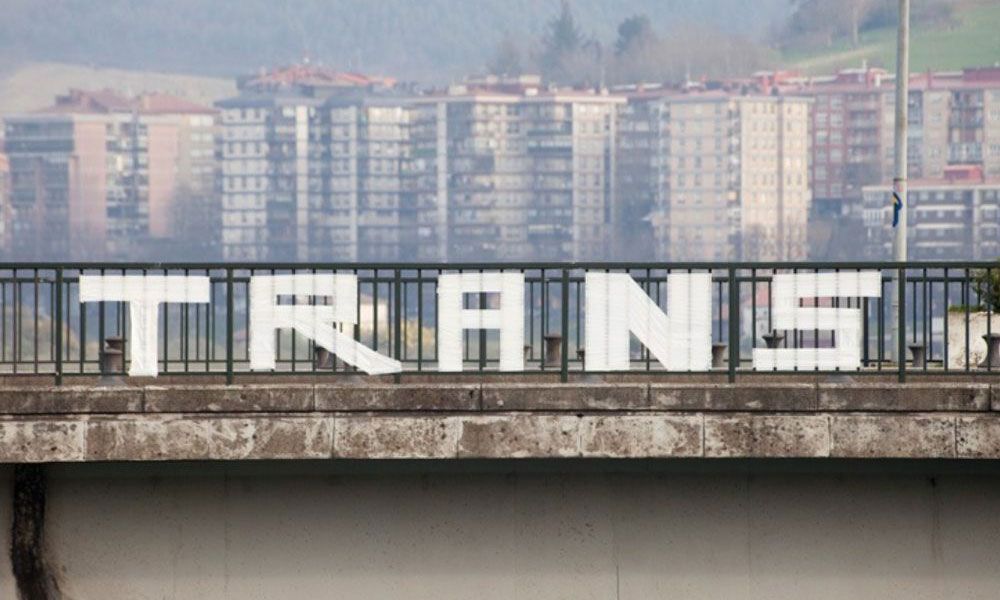
The project and its guiding principles proposed recovering the social impact of cultural activity.
It understands that art and creativity are a struggle to transform and improve—make different, make change—the forms of life we have inherited, because the essence of life and culture is their constant need for evolution.
Throughout the process, sectoral participation tables were established. Working groups made up of citizens from local associations and collectives were created, and a programme was designed, structured around four lighthouses that served as core thematic axes for the activities.
The project was key to weaving networks with other cities and cultural centres and/or European institutions, and to rethinking the management model and managers needed by the ecosystem of cultural facilities that was then being (re)considered.
It was also essential for setting in motion lines of work, programmes, relationships, and projects that still continue or remain relevant today.