TOPIC. International Center for Puppetry and Marionette
Topic. (Tolosa Puppet International Centre) is the Tolosa International Puppet Centre, inaugurated in 2009. It is the only comprehensive centre dedicated to the art of puppetry in Europe, conceived as a reference space for the creation, conservation, research and dissemination of puppet theatre.
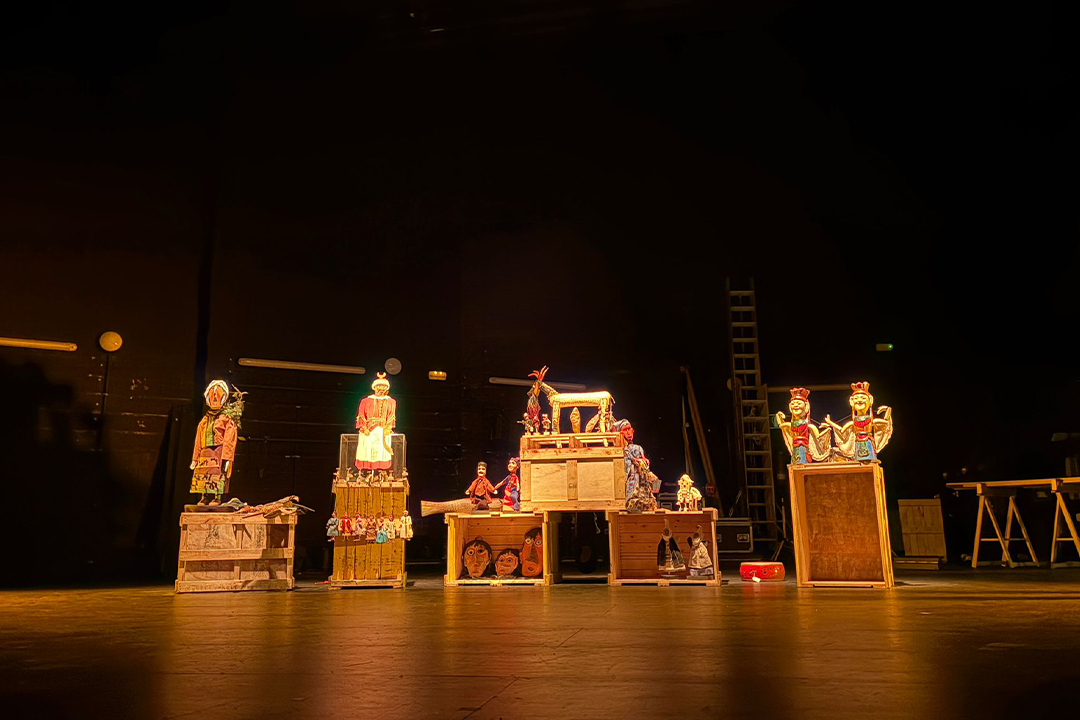
Located in the former Palace of Justice in Tolosa, the center brings together different areas dedicated to the promotion and development of this performing art: a permanent museum, a theater, rehearsal spaces, workshops, a residency for artists and researchers, and a specialized documentation center.
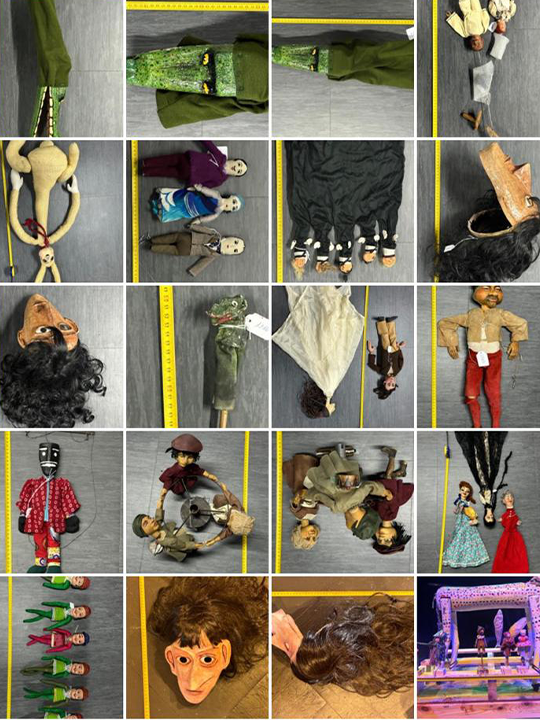
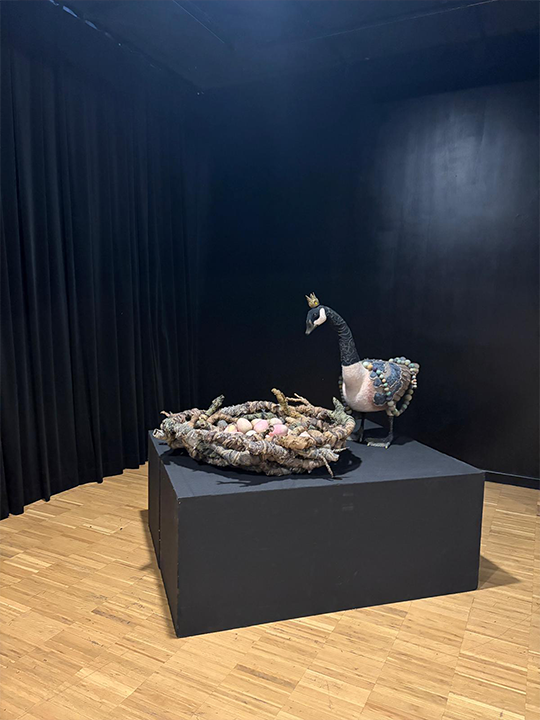
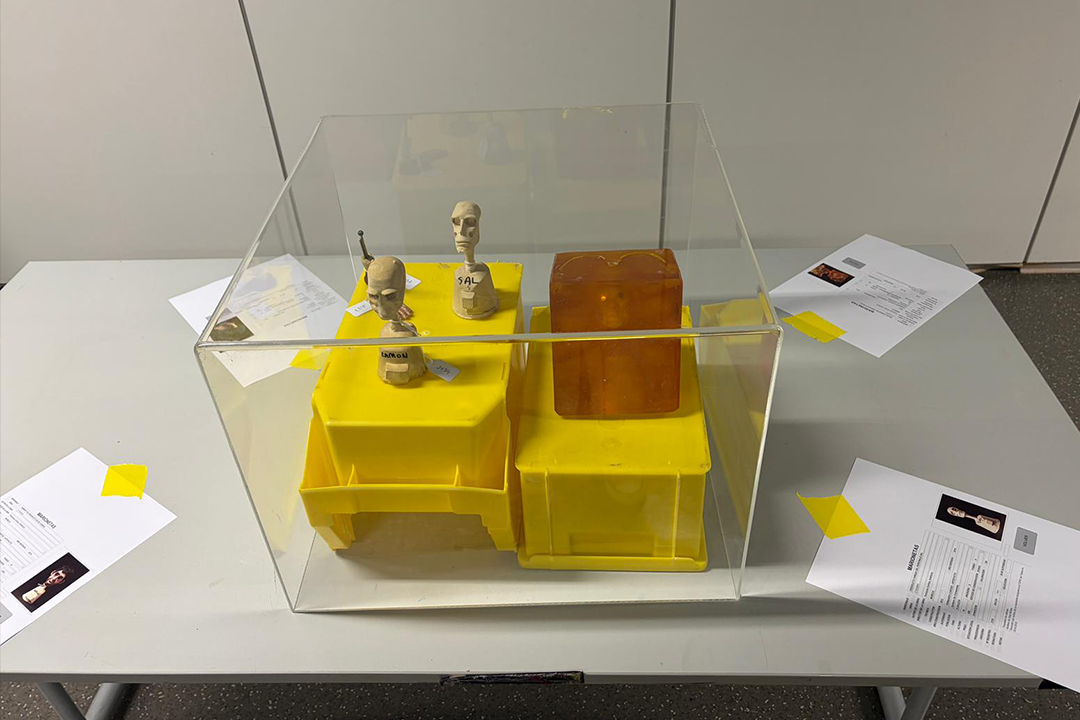
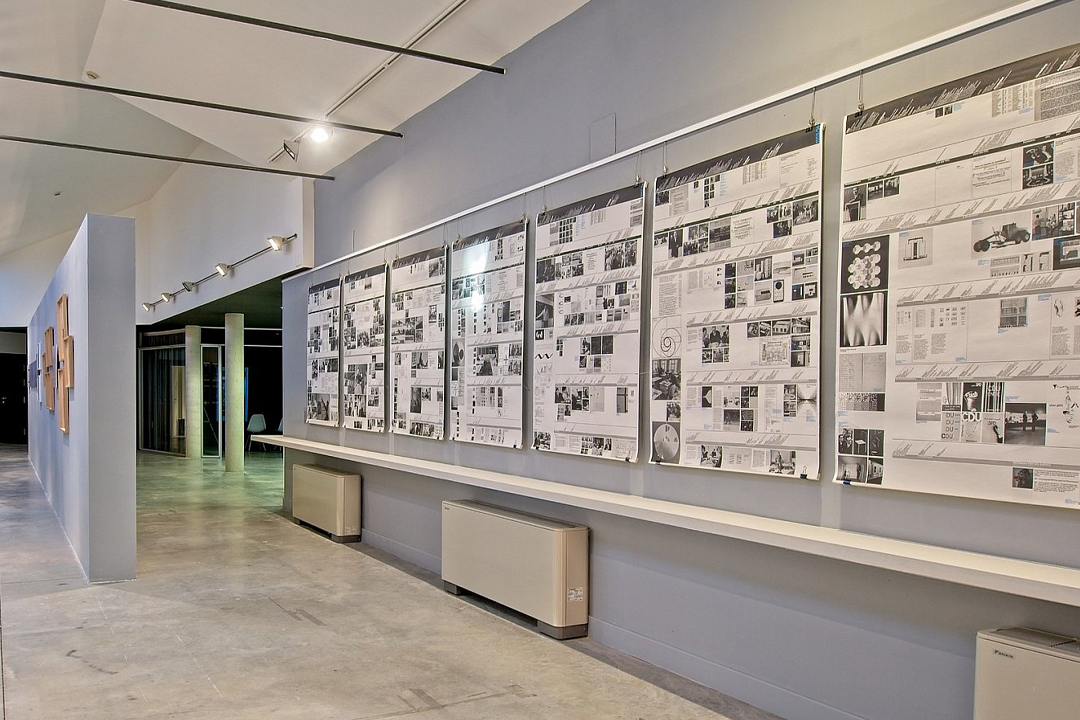
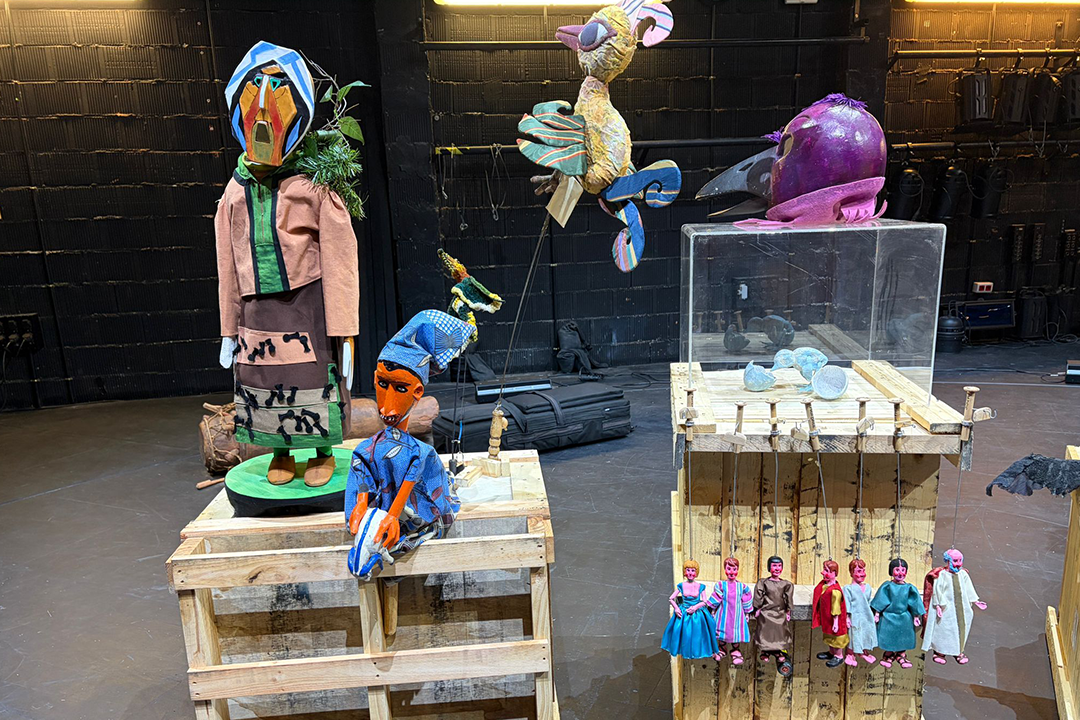
The museum houses a collection of more than 2,500 puppets from over 40 countries, offering a journey through the history and evolution of this theatrical language. Visitors can find both traditional forms, such as shadow puppetry and rod puppets (including Indonesian Wayang, recognized as an Intangible Cultural Heritage of Humanity by UNESCO), and more contemporary techniques, such as glove and string puppets. Through permanent and temporary exhibitions, the museum highlights the cultural richness and diversity of puppetry traditions from around the world.
In addition to its heritage dimension, Topic is an active center for artistic creation and dissemination. It features a theater with a capacity of 250 spectators, workspaces for theater companies, and artistic residency programs that foster research, experimentation, and the development of new proposals in the field of puppet and object theater.
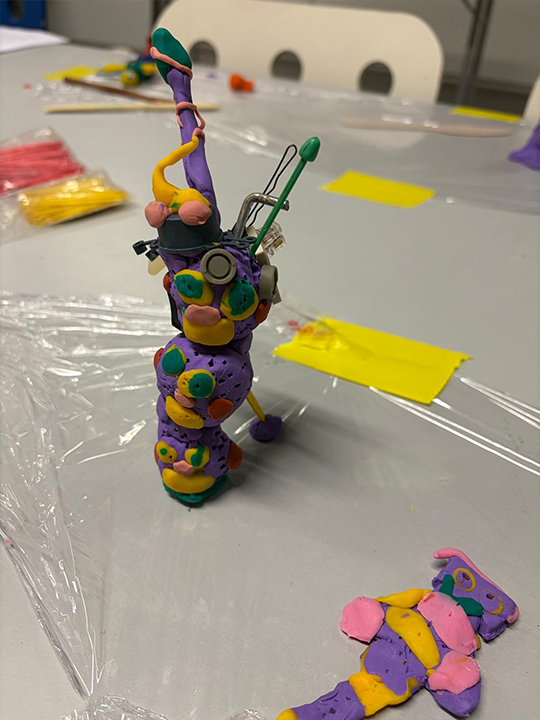
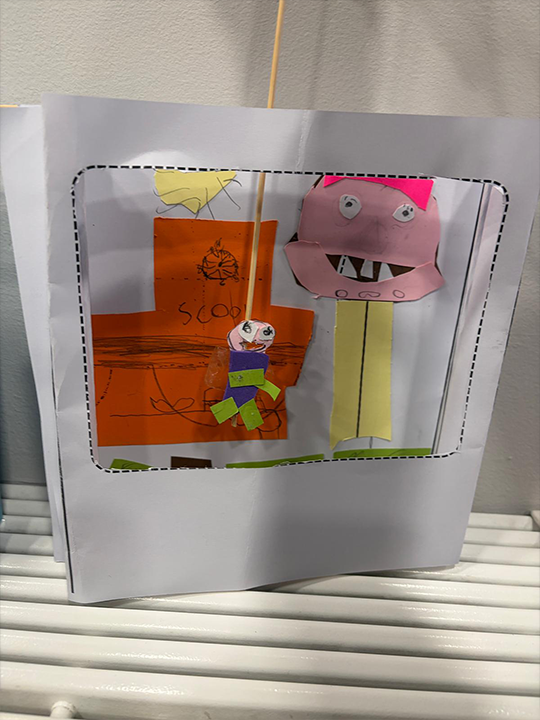
The center also carries out important educational and pedagogical work, offering activities aimed at schools, families, and the general public. Through workshops, guided tours, and training programs, TOPIC seeks to bring the art of puppetry to new generations, promoting creativity, curiosity, and discovery.
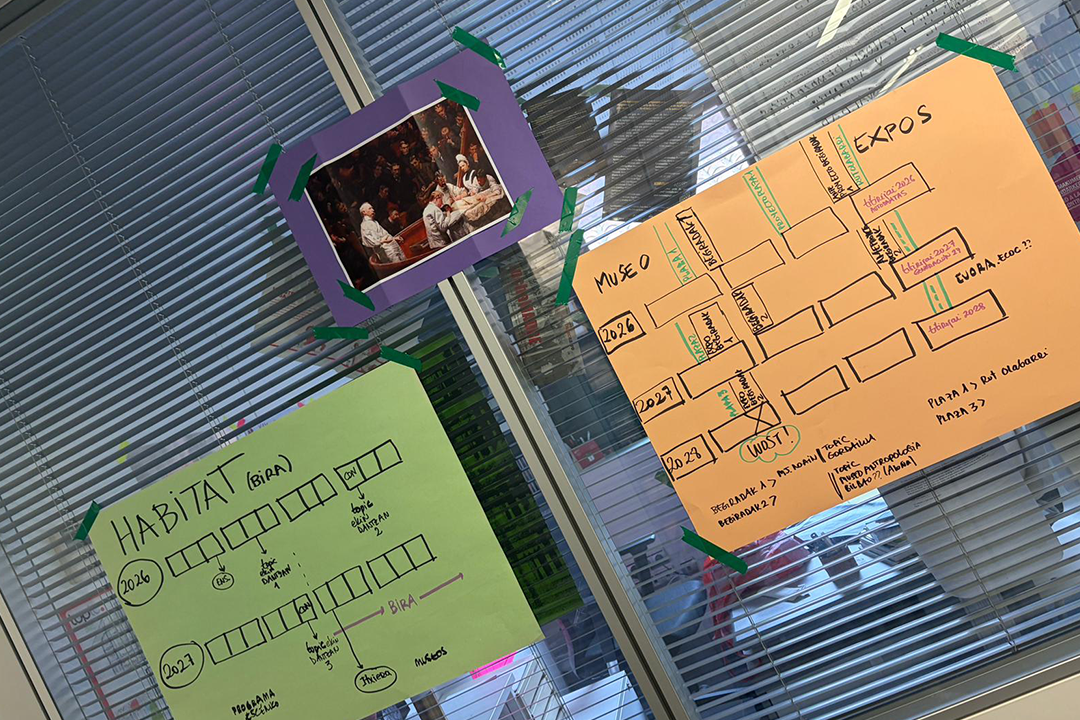
In November 2026, the center's management began its work with the aim of rethinking it within the context of more contemporary performance practices, without losing sight of its origins and the value of traditional puppetry. This involves restructuring both the human resources and the center's own structure, and specifically developing a more open concept of heritage and exhibition space.
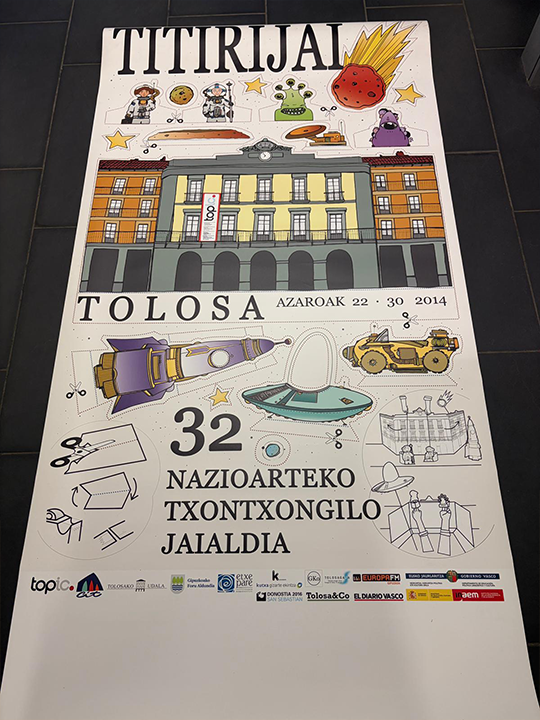
In addition, special attention is given to the Titirijai festival, which, with a history of more than 40 editions, serves to pose the challenge of bringing new audiences to the space.