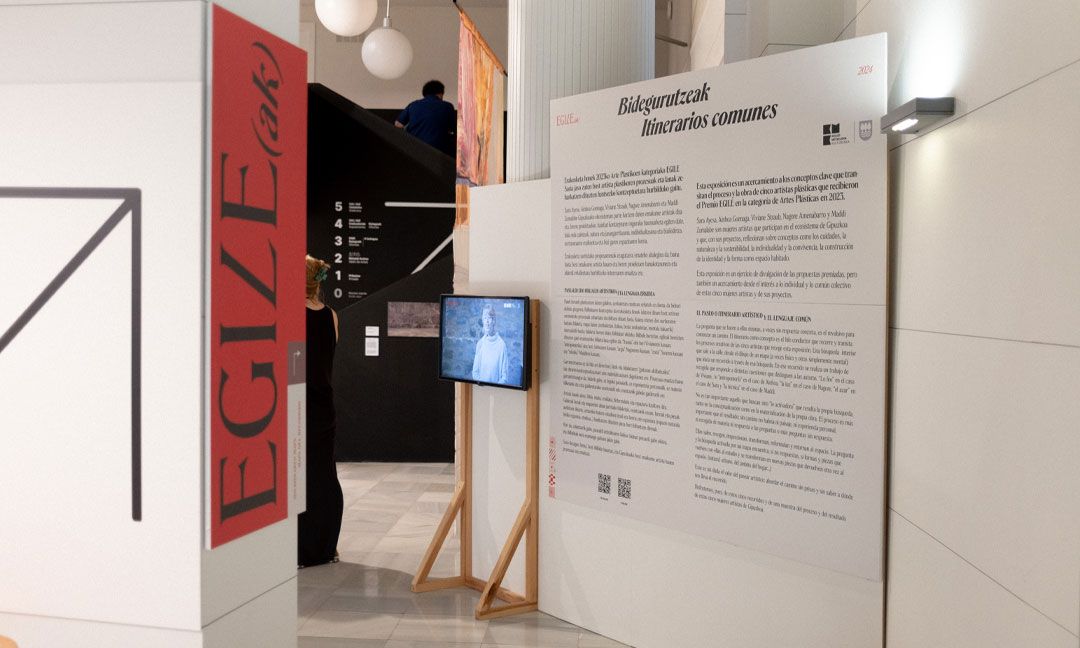
Egile(ak)
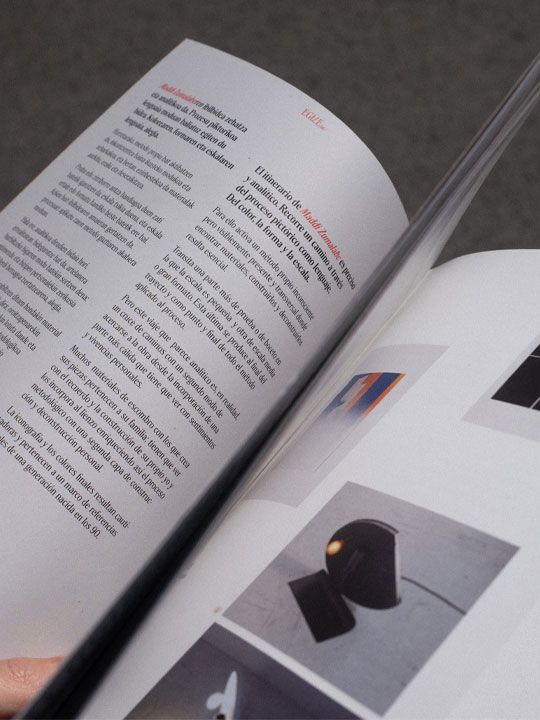
Egile and Egileak are exhibition cycles held in 2022 and 2024 respectively. The exhibitions present, in both “solo” and “collective” formats, the work of visual and multimedia artists who received the prize of the same name, awarded by the Service for Cultural Promotion and Dissemination of the Department of Culture, Youth, Cooperation and Sports of the Gipuzkoa Provincial Council (DFG).
The objective of creating an exhibition cycle under a shared title aligns with a strategy to promote and give visibility to emerging artists who develop diverse lines of work connected to contemporary social issues such as equality, affects, sustainability, mental health, diversity, and more.
The exhibitions explore both solo and collective formats and include site-specific works commissioned for the occasion.
The Egile 2022 cycle featured three exhibitions by Irati Cano Alkain, Gari Arambarri and Ainitze Sarasola, and the 2024 cycle, Egile(ak), included two exhibitions: the first with Ainhoa Goenaga, Maddi Zumalabe, Nagore Amenabarro, Sara Ayesa and Viviane Straub; and the second with Ane Arzelus, Arrate Rodriguez, Irene Irureta, Maite Caballero and Sandra Garayoa.
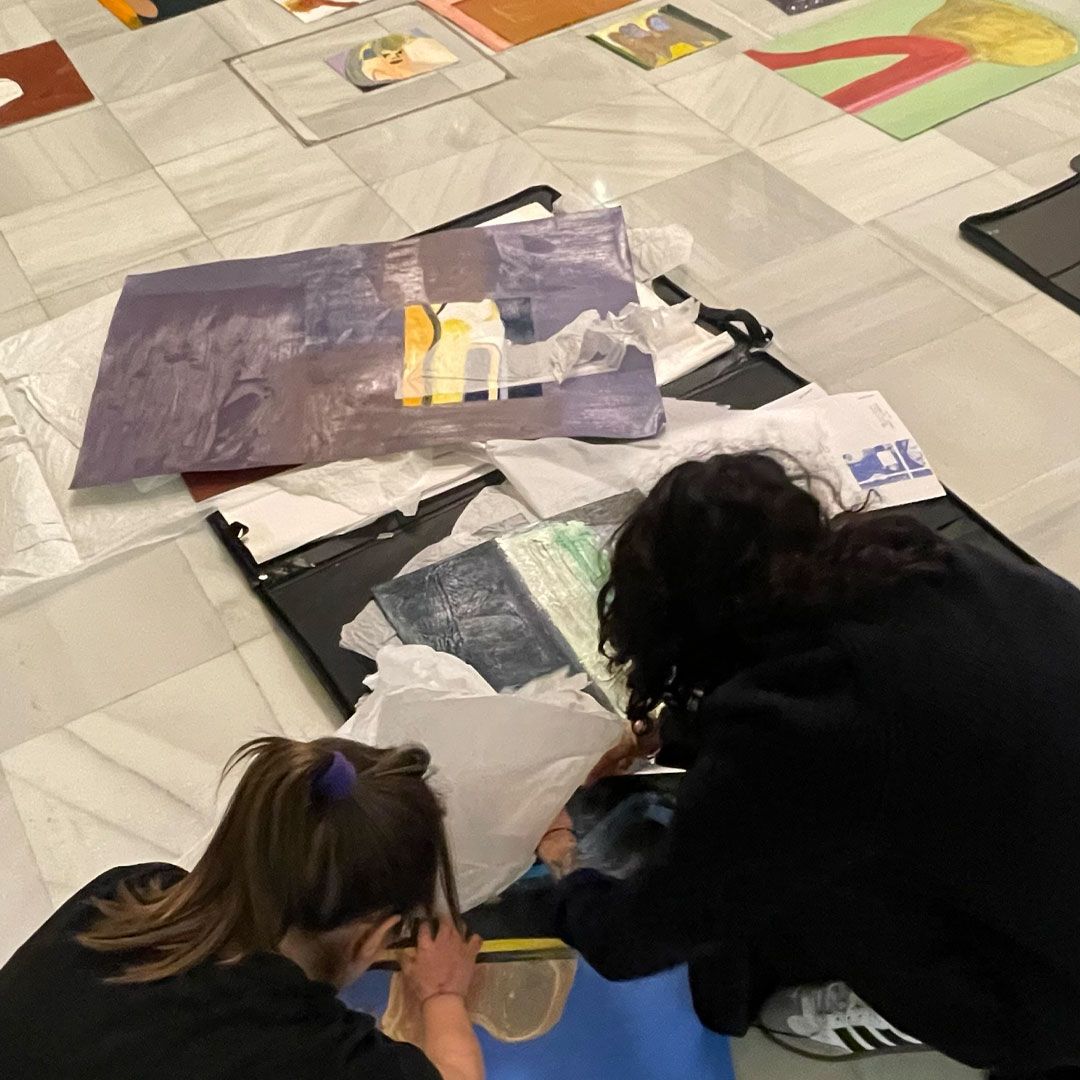
Egile 2022
El ciclo Egile 2022 albergó tres exposiciones: Irati Cano Alkain, Gari Arambarri y Ainitze Sarasola.
China Girls – Irati Cano Alkain
Esta exposición se centra en el proceso de investigación que Irati Cano Alkain realizó en EQZE entre 2018 y 2019.
Una de las piezas centrales, el cortometraje Medusak, recibió el premio Egile 2021 del Departamento de Cultura de la Diputación Foral de Gipuzkoa.
Irati Cano Alkain explora el concepto China Girls, creando fotogramas con mujeres de distinta procedencia. Juega con los estereotipos y roles de género: ahora una mujer mira y capta a otras mujeres, revirtiendo la mirada original (masculina y “técnica”) con la que se capturaban estos fotogramas. La obra nos acerca al lenguaje técnico de catalogación y archivo audiovisual.
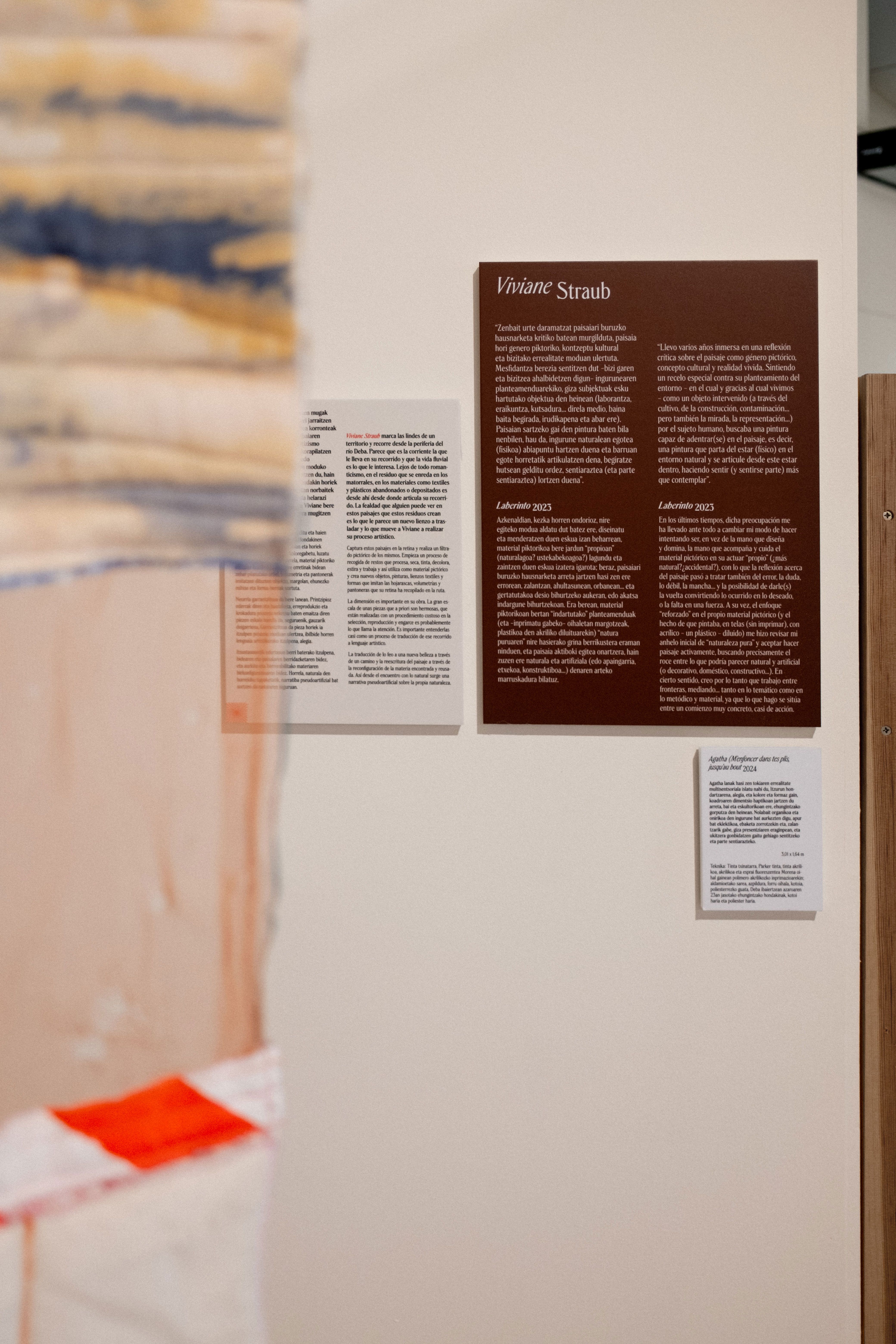
Egile(ak) 2024
Bidegurutzeak / Common Itineraries
The exhibition focuses on the processes of the five winners of the 2023 Egile Prize in the visual arts category. The prize was created in 2021 by the Department of Culture of the Gipuzkoa Provincial Council to strengthen arts and culture as drivers of social transformation and to support creative processes and artistic talent in the territory.
Bidegurutzeak / Common Itineraries articulates the idea of a path or journey that, while present in the work of all participating artists, manifests differently in each case, echoing their interests and the way they engage concepts such as light, nature, waste–the ugly, painting as a medium, and chance.
Using their distinct artistic languages, the five creators reflect on central concerns of contemporary life: care, nature and sustainability, individuality and coexistence, identity construction, and the form as an inhabited space.
The works also emphasize the importance of creative processes over outcomes. The artists walk through landscapes, collect materials and transform them into new pieces that re-enter the space. Across varied formats, materials and proposals, all creators showcase both their awarded projects and parts of their processes. Some works were produced site-specifically for the exhibition.
Gutxi esan, asko jolastu / Say Less, Play More
This exhibition approaches the key concepts that shape the process and work of the five visual artists who received the 2023 Egile Prize in the illustration category. The prize, created in 2021 by the Department of Culture, seeks to promote creative processes and artistic talent as drivers of social transformation.
The title Gutxi esan, asko jolastu / Say Less, Play More refers to play as the space of exploration and connection among the artists’ works. Curator Ainara Martín describes play as “the mirror in which to look at ourselves, to form and deform ourselves to become who we are or who we are not; the chromatic palettes to see differently and find what is hidden; the connections between images and phrases; the nursery of amorphousness; or the tree we must take care of—these are the spaces of play associated with each work, allowing us to approach their proposals from another angle.”
For this exhibition:
– Ane Arzelus, through Irudiztegia (Illustrabecedary), plays with dissecting the Basque language into images.
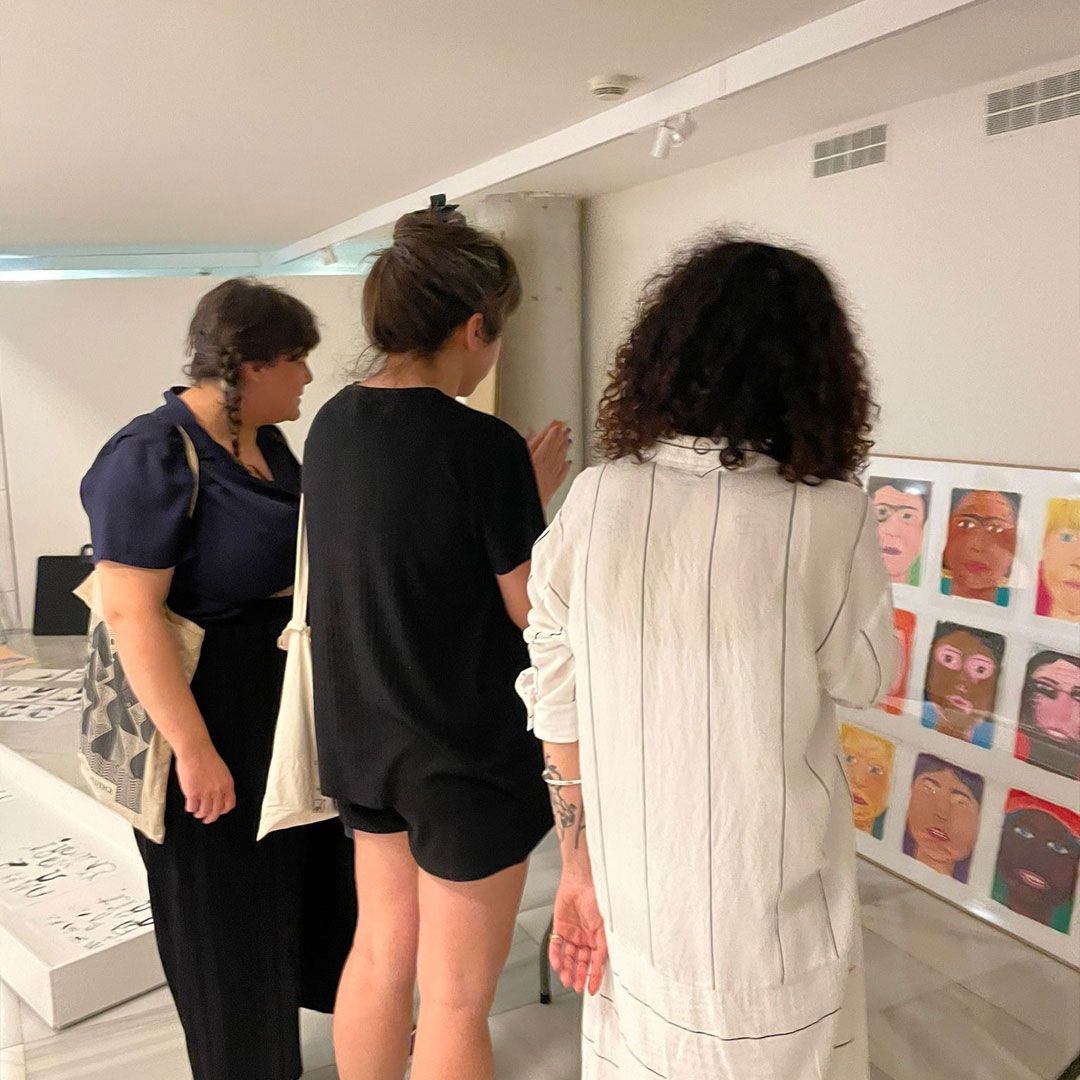
– Arrate Rodríguez, with Erretratu Katea (Portrait Chain), presents a sequence of linked portraits to show communication as an unfinished game, changing with each viewer.
– Irene Irureta, in Dardarak (Tremors), addresses care, specifically how childhood symbolic play reproduces models of care that must be reconsidered.
– Maite Caballero, with Goiari Eusteko, invites us to face our inner selves to locate a playful essence.
– Sandra Garayoa, with Barruko piztiak (What’s Inside), encourages giving form, colour and dimension to the small monsters we carry within.