AmonaTela
AmonaTela is a personal practice or artistic project developed within the framework of the Doctoral Thesis project More Fabric, More Layers. It explores concepts such as DIY, digital fabrication and open-source approaches, reuse and sustainability, as well as craftsmanship and the transmission of artisan knowledge through fashion.
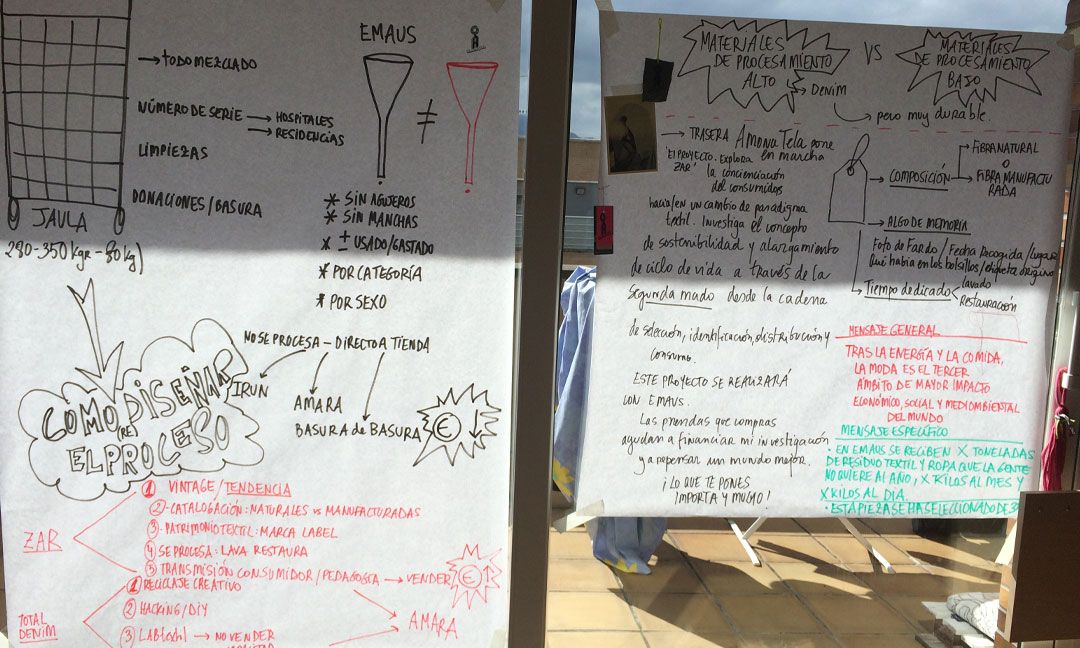
Amona (grandmother in Basque) refers to the recovery of low technology (manual, hand-made practices) in contrast to high technology (Arduino, digital printing, and others), understood as a countercultural space from which to activate sustainable processes.
Fabric, as an accessible material, and fashion or clothing as a shared language, offer an opportunity to unfold more abstract concepts.
AmonaTela explores, for example, the romantic recovery of the memory embedded in old garments; the opening of patterns to understand and recognize the process of making clothes and to replicate it; or the recovery and transformation of textiles with both low and high environmental footprints to reduce textile pollution.
It also proposes a consumption model based on textile reuse and repair.
From this project, three actions and lines of work emerged:
ZAR (“old” in Basque), created to critique the fast-fashion industry, was developed in collaboration with the Emaús Social Foundation through the creation of a “pill” that replicated a trend launched by a major Spanish textile brand under the same name. This pill was created through a participatory process with women workers from the Foundation who were at risk of social exclusion.
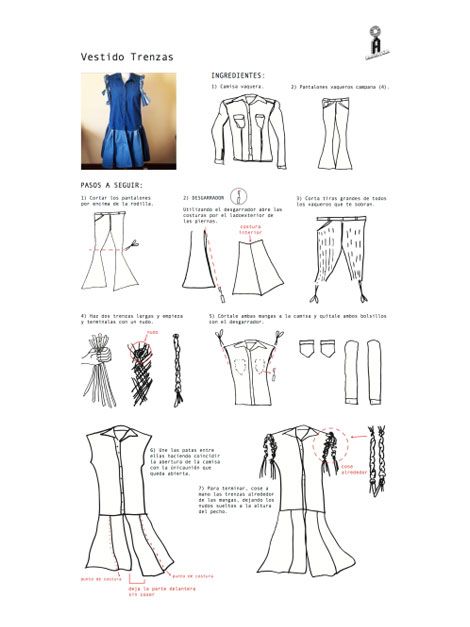
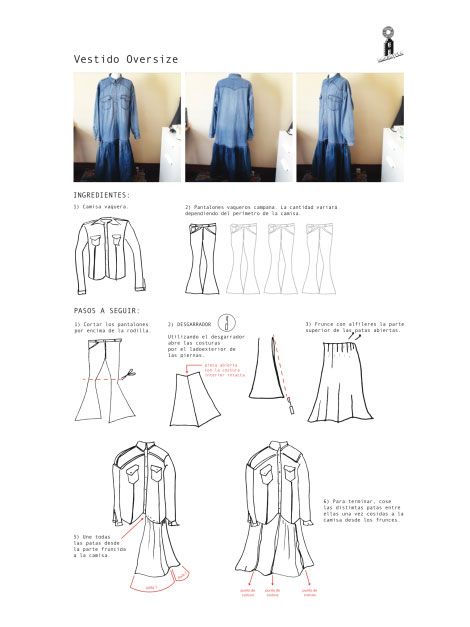
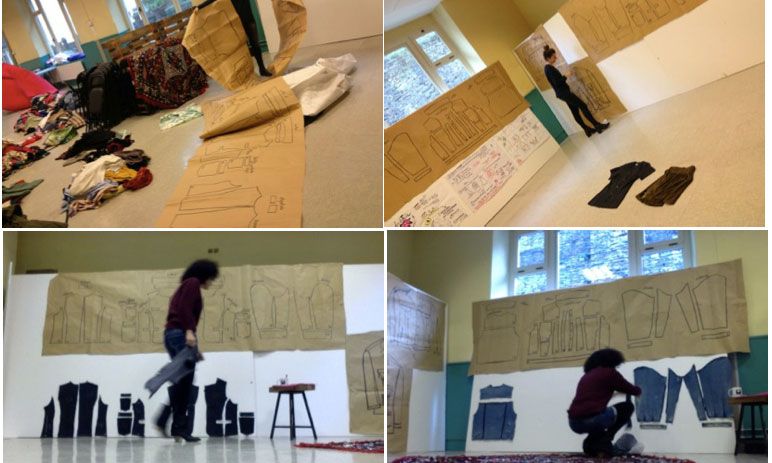
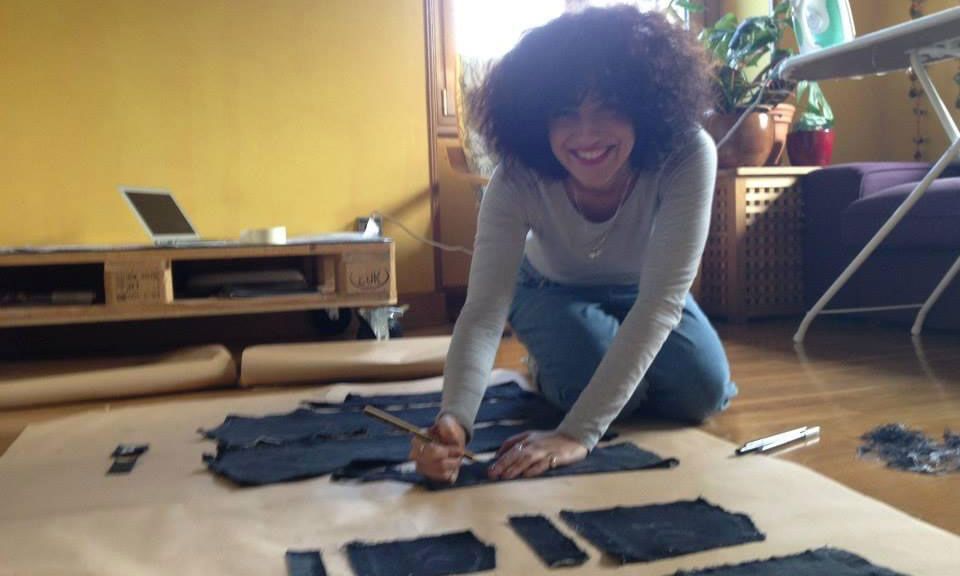
TOTAL DENIM – HACKING DENIM opened up garments made of denim and reassembled them—upcycling—into new pieces, creating and releasing “textile recipes” or “how-to-make-it” guides with open-source patterns. Denim is the most polluting fabric: producing one pair of jeans requires between 2,200 and 3,500 liters of water, and its rivets and the dyes used to achieve blue, grey or black tones are highly damaging to the environment. The project aims, on the one hand, to provide education around replication, reproduction, and open-source practices, and on the other, to raise awareness of the environmental impact of producing each garment so we can make more informed decisions about how, where, and how much we buy.
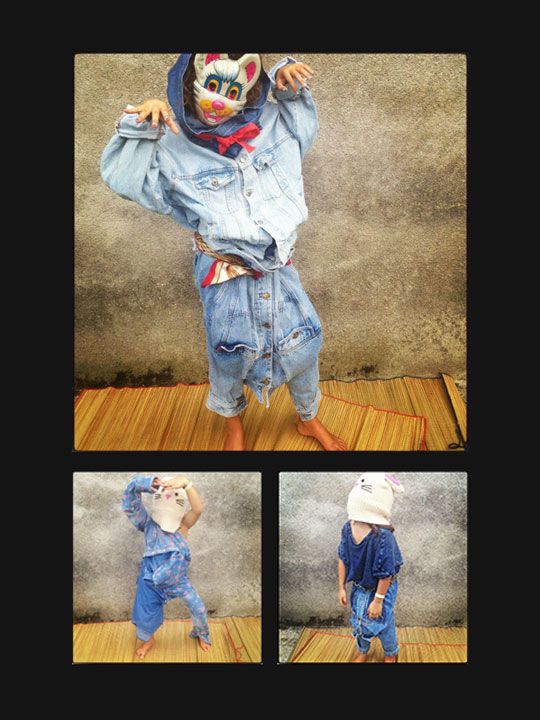
LUDOTELA: A playful workshop aimed at children to create their own clothing using “textile recipes,” simple patterns, and textile waste.
AmonaTela functioned as a brand that concealed a broader field of research and action through performative proposals responding to participatory work processes.