Civil War in Gipuzkoa: Resistance & Dignity
Civil War in Gipuzkoa: Resistance and Dignity is an exhibition project curated by historian Antoni Nicolau, aiming to highlight the people above the military events. This exhibition is part of a long-term effort to recover intangible heritage and rewrite collective memory.
A key feature of the exhibition is the Life Stories, which recount the life experiences of individuals involved in historical events.
These stories reveal the personal, unknown side of the war. Each story is supported by objects with symbolic value, personally and emotionally linked to a person, experience, or life, even if they are not museum pieces.
Participatory and Educational Activities
The exhibition is complemented by participatory workshops, which are part of a broad educational program for different age groups.
It includes guided tours and games designed to provide an alternative and engaging way to approach history.
Screening Room and Collections
The exhibition features a screening room equipped with original seats from the Victoria Eugenia Theatre, a silent witness to the events.
Two documentaries provided by EITB are projected in this space.
It also showcases works that highlight the collections of Koldo Mitxelena Kulturunea, including original magazines and posters from the period.
A specifically produced audiovisual presents the testimonies of six people who, using a personal object as a trigger, recall the lives of their loved ones.
Name Mural
The exhibition includes a mural with over 12,000 names of people from Gipuzkoa involved in the war, compiled for the first time for this show.
Visitors have the opportunity to add information about these individuals or even contribute additional names, helping to collectively build memory.
PERFORMANCE: The Women of the Bundle
This performance was presented during the public inauguration of the exhibition. From a gender perspective, research was conducted focusing on the reproductive systems and care networks that women organize during times of war.
In particular, their role included:
Caring for the wounded and the civilian population.
Domestic resistance.
Support in escape and flight networks.
Feeding the troops.
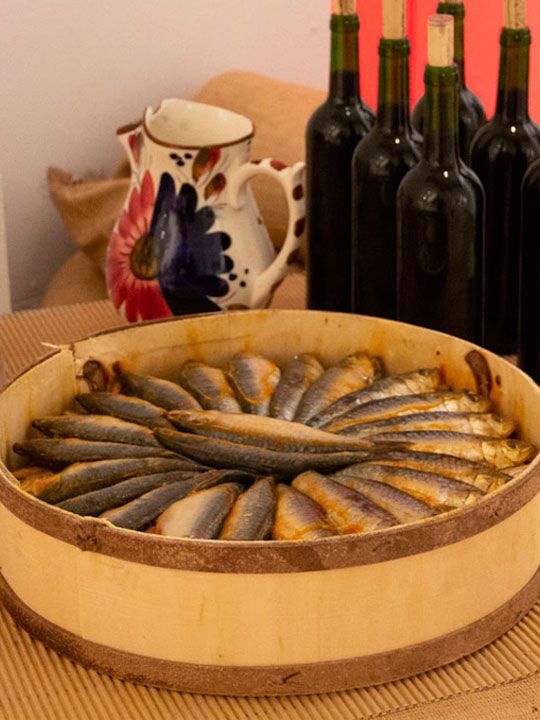
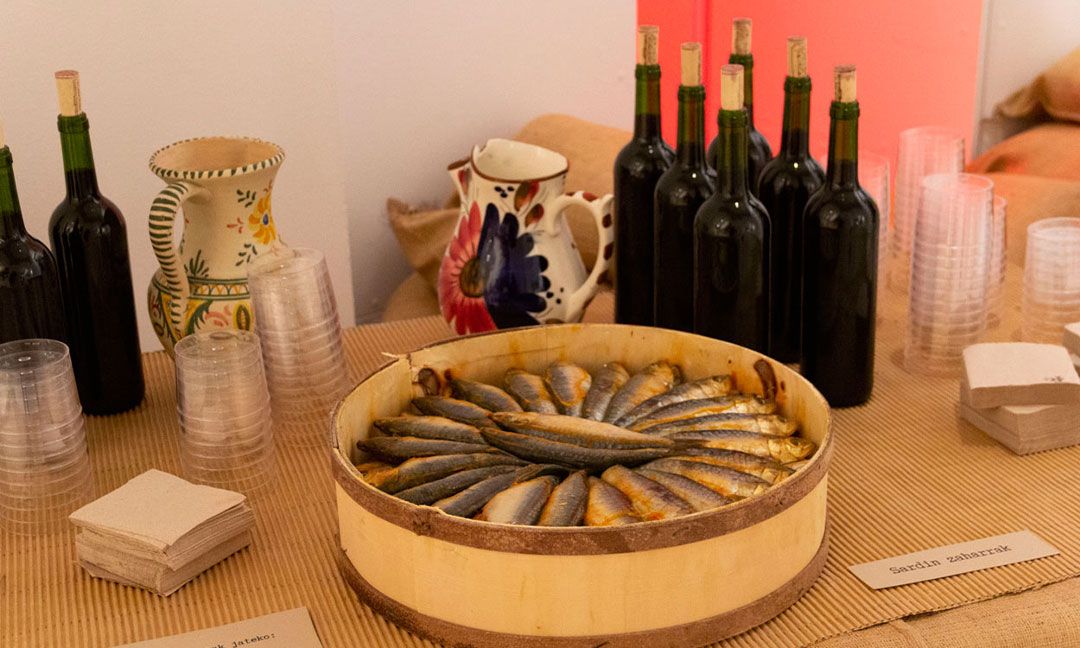
A support network was identified that connected the towns of Urnieta and Astigarraga, reaching Hendaye on foot at the French border. They provided soldiers with apples used for cider production, pieces of bread, and sardines.
Action during the inauguration
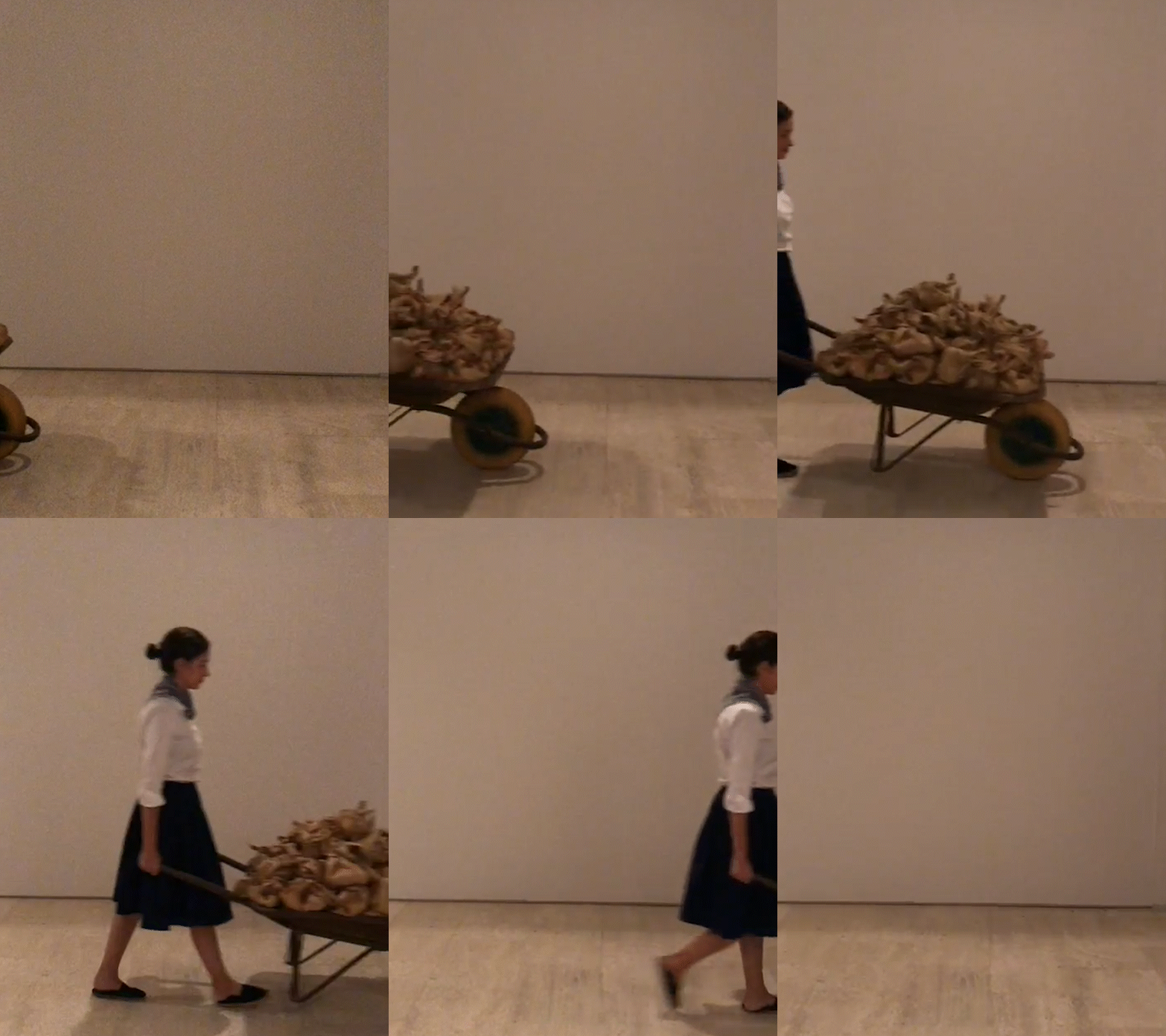
During the inaugural cocktail, these women were honored through a performative action: two women dressed in traditional attire distributed the same bundles to the visitors of the exhibition, establishing a symbolic link between historical memory and the audience.